
Juliette
Dry, chapped lips?
Suquato Peptide Lip Treatment Lip Butter Balm
If your lips peel by noon and gloss fades fast, this luxurious lip balm packs daytime plump and overnight repair without a heavy feel.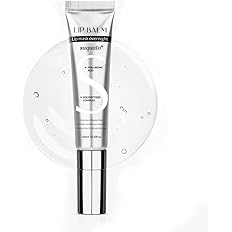
What it is
- peptide lip butter balm
- Targets dryness, fine lip lines, and dullness.
- Key actives: peptides for smoothing, hyaluronic acid for hydration, plus occlusives to lock in moisture.
Who it’s for
- Dry, chapped lips that need a quick moisture surge.
- People who like a glossy, cushiony finish without sticky strings.
Key features and real-world use
- Hydration: Hyaluronic acid draws water in; the balm leaves a soft sheen that outlasts a coffee run.
- Texture: Smooth and cushiony, not waxy; plays well under lipstick.
- Scent/flavor: Light and sweet with a hint of vanilla (adjust this if yours differs).
How to use
- Day: Swipe the peptide balm first
- Noticeable moisture and softness fast
- Gloss adds shine without goop
- Layer-friendly under or over color
Cons
- If you’re scent-sensitive, check ingredients first
Comparisons
- Versus Laneige Lip Sleeping Mask: Suquato’s mask feels lighter, less sticky; hydration is comparable for overnight, but Laneige has more flavors.
- Versus Summer Fridays Lip Butter Balm: Summer Fridays comes in larger tubes; Suquato set is better for trying multiple steps affordably.
- Versus Buxom Plumping Gloss: Buxom tingles more and looks glossier; Suquato is gentler and more hydrating.
Value
- Great as a starter kit to test peptide + HA lip care without buying full sizes.
Verdict If you want soft, glossy, low-fuss lip care that hydrates fast and keeps lips comfy, the Suquato Lip Treatment Balm delivers. Strong yes for dry-lip daily care and gifting.
FAQ
- Balm feels soothing.
- Is it sticky? Balm is cushiony.
- Safe for sensitive lips? Patch test. Fragrance can bother very sensitive skin.
- How long does it last? Balm 2–3 hours.
Ready to try it? Grab the Suquato Peptide Lip Treatment Lip Butter Balm now.
Recommended Serums & Creams To Use With Tools
🧴 Recommended Serums & Creams
Tools for Anti-Aging, Acne & Brightness
Top Skincare Tools for Anti-Aging, Acne & Brightness
| Tool | Key Benefits | Best For | How to Use | Frequency | Notes |
|---|---|---|---|---|---|
| Solawave 4-in-1 Wand | Combines red light (anti-aging), microcurrent (firmness), massage (circulation), & heat therapy | Anti-aging, dullness, fine lines, firmness | Use on clean, dry skin with conductive serum | 3–5×/week | Compact & travel-friendly, noticeable lift after 2–3 weeks |
| Dr Dennis Gross SpectraLite FaceWare Pro | Red light (collagen, glow), blue light (acne, bacteria), anti-inflammatory | Acne control, fine lines, overall glow | Wear for 3 minutes after cleansing | Daily or per tolerance | Clinically proven, strong reviews, quick use |
| Microneedling Pen (Derma Roller Pen Kit) | Stimulates collagen, smooths texture, brightens scars, enhances absorption | Brightening, acne scars, uneven skin texture, firmness | Use at night after cleansing; apply soothing serum after | 1×/week | Must sanitize carefully. Not for active breakouts. Use 0.25–0.5 mm for home use |
🧴 Routine Integration Suggestion
| Time | Step | Product/Tool | Purpose |
|---|---|---|---|
| Morning | Cleanse → Vitamin C serum → Moisturizer → SPF | (Optional) Solawave | Boost morning glow, firm skin |
| Evening (daily) | Cleanse → Toner → Dr Dennis Gross FaceWare Pro → Serum → Moisturizer | Red light for glow + blue light for acne | Anti-aging + acne targeting |
| Evening (1×/week) | Cleanse → Microneedling → Hydrating serum → Barrier-repair moisturizer | Collagen stimulation, scar fading | Deep recovery night |
Tips For Results Using Tools
Tips for getting good results & avoiding pitfalls
-
Follow manufacturer instructions — time, frequency, mode.
-
Start gently — e.g. lower intensity, shorter duration; observe skin reaction.
-
Use with a good serums / hydrating actives — many tools help your products penetrate better.
-
Clean tools thoroughly after every use to prevent bacterial transfer.
-
Don’t mix too many aggressive tools at once — e.g. microneedling plus harsh chemical exfoliants on the same week can over-stress skin.
-
Give it time — many tools show modest changes over weeks to months, not overnight miracles.
What Are Especially Effective Tools
What’s especially effective in 20–50 age range & across ages
-
In your 20s–30s, prevention is key (UV protection, antioxidants). Tools like LED and gentle microcurrent can help maintain firmness and glow.
-
From late 30s onward, collagen production slows more, so devices that stimulate remodeling (LED + microneedling + massage) tend to show more noticeable benefits.
-
For all ages, facial massage / gua sha is low risk, feels great, gives immediate perk-up, and helps with puffiness or tension.
At Home Skin Care Tools
What to look for / guiding principles
Before listing tools, here are some principles:
-
Complement, don’t replace, good skincare basics. Cleansing, sun protection, target actives (e.g. retinoids, vitamin C) are foundational. Tools should enhance absorption, stimulate circulation, etc., not become the entire routine.
-
Safety, hygiene, and moderation matter. Overuse of devices (especially ones with needles, strong currents, or exfoliating action) can damage skin barrier.
-
Choose tools appropriate to your skin sensitivity. What works great for a 30‑year-old with resilient skin might be too aggressive for someone with rosacea or eczema.
-
Consistency counts more than intensity. Using a modest tool a few times a week is often better than overdoing something once.
Effective tool categories & what they can do
Here are the top categories (with pros / cons) and sample products you can consider.
| Category | What It Helps With / Mechanism | Caution / Limitations | When to Use | Sample Products |
|---|---|---|---|---|
| Microcurrent / “facial toning” devices | Stimulate muscles in face, improve firmness, “lift” effect, enhance absorption. | Can be irritating if overused; not great over broken skin, severe acne. | 2–4×/week or per manufacturer instructions | NuFACE Trinity+ Starter Kit |
| LED / light therapy / phototherapy | Red / near‑infrared light stimulates collagen, reduces inflammation; blue light may help with acne. | Avoid without eye protection if using strong panels. Be consistent. | Several times a week (or daily) depending on device | Dr Dennis Gross SpectraLite FaceWare Pro, Solawave 4‑in‑1 Wand |
| Microneedling / derma roll / pen | Tiny punctures stimulate collagen, improve texture, help product absorption. | Must be sterile. Use appropriate needle length. Don’t overdo. Avoid if active infection or breakouts. | Once weekly or as recovery allows. | Derma Roller Pen Wireless Microneedling Kit |
| Facial massage / gua sha / rollers / cups | Boost lymphatic drainage, circulation, relieve tension. | Use with oil or serum to reduce drag; don’t press too hard. | Daily / 3–5× per week | Mount Lai Jade Textured Facial Roller, Facial Cupping Set |
| Ultrasonic / skin scrubbing / exfoliator | Vibrations help dislodge debris, enhance penetration, mild exfoliation. | Avoid overuse; not for broken or inflamed skin. | 1–3× per week depending on skin resilience | Ultrasonic Skin Scrubber |
| Facial razors / dermaplaning tools | Remove peach fuzz / superficial dead skin layer to allow smoother makeup / absorption. | Use carefully, on dry skin, replace blades often. | 1–2× monthly | Sephora Collection Facial Razor Set |
| Cleansing / sonic / silicone brushes / pads | More effective removal of dirt, sebum, makeup, without harsh scrubbing. | Don’t press hard. Clean the device. | Daily or every-other-day | Sephora Collection Facial Cleansing Pad |
Ingrown Toenails
Common Causes of Ingrown Toenails
Ingrown toenails don’t just appear out of nowhere—they’re usually the result of daily habits or biological traits you might not even realize are causing harm. Let’s break down the most common culprits so you can start avoiding them today.
One of the biggest causes? Improper nail trimming. Most people cut their toenails too short or round the edges to match the shape of the toe. While that might look neat, it gives the nail an open invitation to grow into the surrounding skin instead of straight out. To avoid this, nails should always be trimmed straight across and not too close to the skin.
Another common trigger is tight footwear. Those trendy pointy shoes or snug sneakers might be compressing your toes more than you think. Constant pressure on the sides of your toenails can cause them to curl inward, especially if the shoes don’t give your toes room to breathe. Athletes are particularly at risk due to repeated trauma from sports shoes or stubbing their toes.
Injury is another key factor. Even something as simple as bumping your toe or dropping something heavy on it can change the way your nail grows. The trauma can cause the nail to grow irregularly, leading it to dig into the skin as it regenerates.
There are also genetic predispositions to consider. If your parents or siblings often get ingrown toenails, chances are you’ve inherited a similar nail structure—whether it’s overly curved nails or thickened nail beds. Some people naturally have nails that grow in a more rounded or downward direction, making ingrown nails almost inevitable without regular preventive care.
Lastly, poor foot hygiene and sweaty feet create a perfect storm. Moist environments soften the skin around the nails, making it easier for the nail to pierce through. Combine that with not drying your feet properly or wearing damp socks all day, and you’re practically inviting an ingrown nail.
Knowing these causes isn’t just about pointing fingers—it’s the first step to making smarter choices that protect your feet.
Symptoms and Warning Signs
Early Signs You Shouldn’t Ignore
Spotting the early signs of an ingrown toenail can make all the difference between a quick fix at home and a painful trip to the doctor. The tricky part? The symptoms might seem minor at first—until they spiral into a much bigger problem.
The most obvious early sign is tenderness along the edge of the toenail, particularly when pressure is applied. This could be something as simple as feeling discomfort when putting on your shoes or bumping your toe against a surface. You might also notice mild redness and swelling, especially if the toenail is starting to press into the surrounding skin.
Another tell-tale sign is increased sensitivity in your toe. If you’re suddenly more aware of your toenail than usual or it hurts to wear socks, you’re probably dealing with an early ingrown situation. At this stage, many people mistakenly think it’s a minor injury or irritation, not realizing it could worsen if ignored.
A more advanced warning is the appearance of fluid buildup—like clear drainage or the formation of a small blister near the nail’s edge. This could be your body’s immune response trying to ward off infection. And if you spot pus or feel warmth in the area, that’s a strong indicator that an infection is developing.
Pain that increases with time, especially if it becomes sharp or throbbing, is your body’s way of sounding the alarm. Don’t wait for the nail to become severely infected before doing something about it. The earlier you act, the easier—and less painful—the treatment will be.
Think of these early symptoms as your foot whispering for help. Ignore them, and it’ll soon be screaming.
Ingrown Toenails and Their Remedies: The Ultimate Guide to Prevention, Relief, and Permanent Solutions
Ingrown toenails might seem like a minor issue until you’re limping around, avoiding tight shoes, and wincing every time your toe grazes a bedsheet. This common foot condition affects millions of people around the world, yet it’s still widely misunderstood. Whether you’re dealing with your first ingrown nail or battling recurring flare-ups, this guide will walk you through everything you need to know—from early symptoms to long-term prevention strategies and effective remedies that actually work.
An ingrown toenail occurs when the corner or side of your toenail grows into the soft flesh of your toe. Sounds painful? That’s because it is. But the good news is, it’s highly treatable—and often preventable. In this guide, we’ll break down the causes, identify the best home and medical treatments, bust some myths, and help you understand when it’s time to seek professional help. Plus, you’ll get tips tailored for people with diabetes or circulatory issues, who need to be especially cautious.
Let’s get right into it and uncover what’s really going on when a toenail turns against you.
What Are Ingrown Toenails?
Understanding the Condition
An ingrown toenail, or onychocryptosis (if you want to impress your podiatrist), happens when the edge of a toenail—usually on the big toe—starts growing into the skin surrounding the nail. Instead of growing straight out like it’s supposed to, the nail curves downward and digs into the flesh. As you can imagine, this causes swelling, redness, pain, and sometimes even pus or infection.
But why does the nail do this? Often, it’s a combination of pressure, improper trimming, or just plain bad luck in the genetic lottery. The skin responds to the invading nail like it would to a splinter—by becoming inflamed. If left untreated, the nail can cause a localized infection that turns an annoying toe issue into a painful ordeal.
This condition doesn’t discriminate. It affects kids, adults, athletes, and even the most sedentary folks. While it’s more common in people with sweaty feet, poor foot hygiene, or ill-fitting shoes, it can strike just about anyone. That’s why understanding the mechanics of an ingrown toenail is key to treating it effectively—and keeping it from coming back.
Recommended OTC products for back / body acne
Here is a table of over-the-counter products that are commonly used (or well-reviewed) for body / back acne treatment / prevention. Some are washes, sprays, or leave-on formulas. Prices may vary depending on seller, deals, or location.
| # | Product | Type / Use | Approx. Price* | |
|---|---|---|---|---|
| PanOxyl Acne Wash | Body wash / cleanser | ~ US$9–15 (varies by size) | Contains benzoyl peroxide (usually 4 % or 10 %) — good starting wash to kill acne bacteria | |
| PanOxyl Acne Banishing Body Spray | Spray | ~ US$15–20 | Allows easier application on back; good for spot / area coverage | |
| Neutrogena Body Clear Body Wash | Body wash | ~ US$10–15 | Contains salicylic acid (exfoliant) in a gentler base | |
| Paula’s Choice Clear Acne Body Spray | Mist / leave-on | ~ US$25–45 | Spray formula with salicylic acid to reach difficult areas | |
| Murad Clarifying Body Spray | Spray | ~ US$25–50 | Lightweight spray that can help with redness / inflammation | |
| The Ordinary Salicylic Acid Body Serum | Leave-on serum | ~ US$15–25 | Higher concentration exfoliant; use where tolerated | |
| LA.PERSONAL Butt/Back Acne Clearing Cream | Cream / treatment | ~ US$25–35 | Targeted treatment with salicylic acid + botanicals for tougher spots | |
| Mario Badescu Back & Body Clarifying Spray | Spray / leave-on | ~ US$15–25 | Mist-type product, useful for maintenance or lighter breakouts |
*Prices are approximate (USD or CAD depending on listing) and may vary. Always check the retailer (e.g. Amazon) for the current listing.
How to use / incorporate
-
Use cleansers / washes daily (or as tolerated). Let the active ingredient (e.g. benzoyl peroxide) sit on the skin for a minute or two before rinsing when using on thicker skin like the back.
-
Sprays / leave-ons are excellent after you shower on clean, damp skin to maintain effect and reach hard-to-reach zones.
-
Start slow: Begin applying 2–3 times per week if you have sensitive skin, then increase frequency as tolerated.
-
Moisturize if needed: If dryness or flaking occurs, incorporate a lightweight, non-comedogenic body lotion (without heavy oils).
-
Use tools or long-handled applicators to reach the mid- and upper back reliably.
Final caveats & board’s consensus
-
OTC products and preventive measures can work well for mild to moderate back acne.
-
It often takes 6–8 weeks or more to see a meaningful difference; don’t expect overnight miracles.
-
If acne is deep, painful, nodular, or leaves scars, consult a dermatologist for prescription or procedural options.
-
Always patch test new products, especially when combining actives (benzoyl peroxide + retinoids etc.).
-
Don’t overdo actives—irritation can worsen acne by damaging the skin barrier.
How to prevent back acne (“bacne”)
Below is a summary of best practices, drawn from dermatology sources.
| Prevention Strategy | Why It Helps / Evidence | Tips & cautions |
|---|---|---|
| Shower promptly after sweating / physical activity | Sweat traps oil, dirt, bacteria in pores, increasing clogging and inflammation. Cleveland Clinic+2Mayo Clinic Health System+2 | Use a gentle cleanser (see product section). Don’t scrub harshly. |
| Wear breathable, loose-fitting clothing (sweat-wicking fabrics, cotton blends, non-occlusive material) | Tight or non-breathable fabrics trap moisture and cause friction, worsening acne. DermSurgery Associates+3American Academy of Dermatology+3Cleveland Clinic+3 | Avoid synthetic, clingy fabrics; change clothes after sweating. |
| Minimize friction and pressure | Backpacks, heavy straps, tight sports gear aggravate acne via mechanical irritation (“acne mechanica”) American Academy of Dermatology+3Cleveland Clinic+3Springs Dermatology+3 | Use side bags instead of backpacks, avoid straps across sweaty skin, ensure gear fits well (not too tight). |
| Use non-comedogenic (non‑pore clogging) skin & body products | Products with heavy oils or pore-clogging ingredients can worsen acne. DermSurgery Associates+3Baylor Scott & White Health+3American Academy of Dermatology+3 | Check labels: “non-comedogenic,” “won’t clog pores.” Avoid heavy body creams on acne-prone back. |
| Gentle cleansing, avoid harsh scrubs / loofahs | Scrubbing can worsen inflammation, spread bacteria, damage skin barrier. DermSurgery Associates+3American Academy of Dermatology+3Right as Rain by UW Medicine+3 | Use soft cloths or hands; avoid gritty scrubs on active acne. |
| Incorporate actives like benzoyl peroxide, salicylic acid, retinoids (where tolerated) | Benzoyl peroxide kills acne bacteria; salicylic acid exfoliates pores; retinoids help cell turnover. Right as Rain by UW Medicine+5American Academy of Dermatology+5Springs Dermatology+5 | Start slowly (few times per week) to manage irritation; use moisturizers if dryness or peeling. |
| Use a back applicator tool or spray for hard-to-reach areas | It ensures you can apply treatment evenly over upper and mid‑back. American Academy of Dermatology+1 | Spray formulations or long-handled applicators help self-application. |
| Wash sheets, pillowcases, towels frequently | Oils, bacteria, dead skin cells accumulate and can re-contaminate skin. DermSurgery Associates+2Mayo Clinic Health System+2 | Use fresh linens at least weekly; avoid letting towels sit damp or used repeatedly. |
| Manage diet, stress, and hormonal contributors | While evidence is modest, high-glycemic foods, dairy, stress may exacerbate acne. Verywell Health+3Right as Rain by UW Medicine+3Mayo Clinic Health System+3 | Monitor how your skin responds to certain foods or stressors. |
| See a dermatologist if no improvement in 6–8 weeks | Persistent, deep, or scarring acne may require prescription therapy. American Academy of Dermatology+2Cleveland Clinic+2 | Dermatologists can prescribe stronger topicals (e.g. retinoids, antibiotics) or systemic treatments. |
Practical tip: Prevention is a multi‑front approach. Even the best skincare products won’t fully control back acne if lifestyle, clothing, and hygiene factors are neglected. Consistency over many weeks matters more than using many products at once.